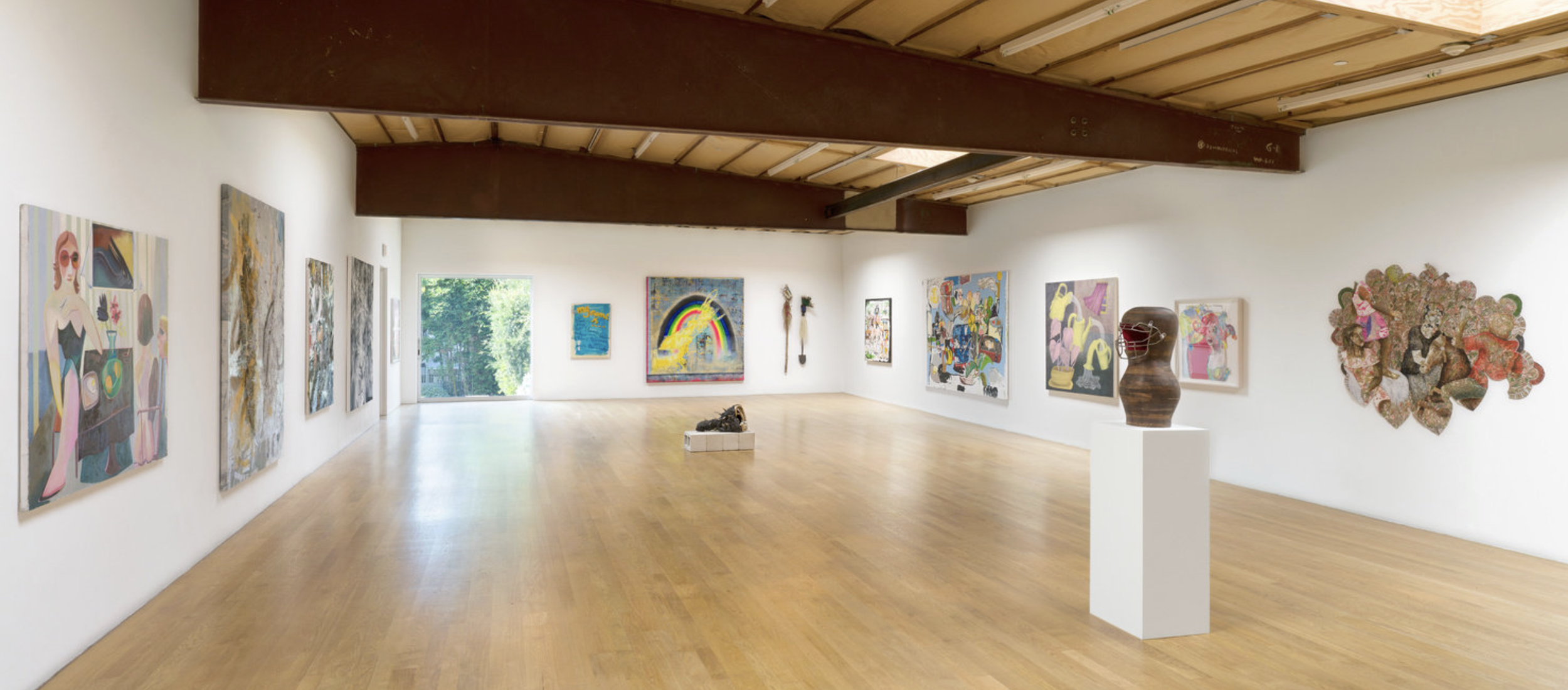
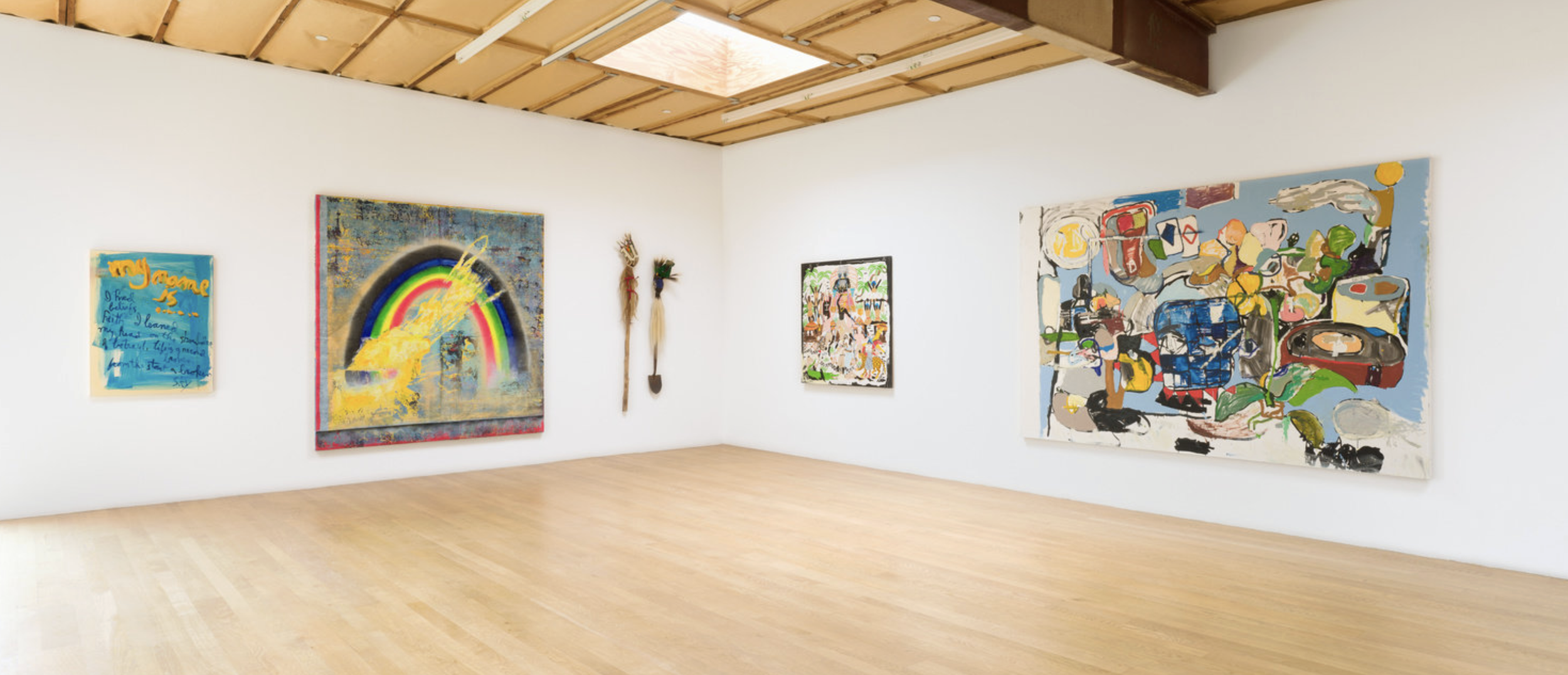
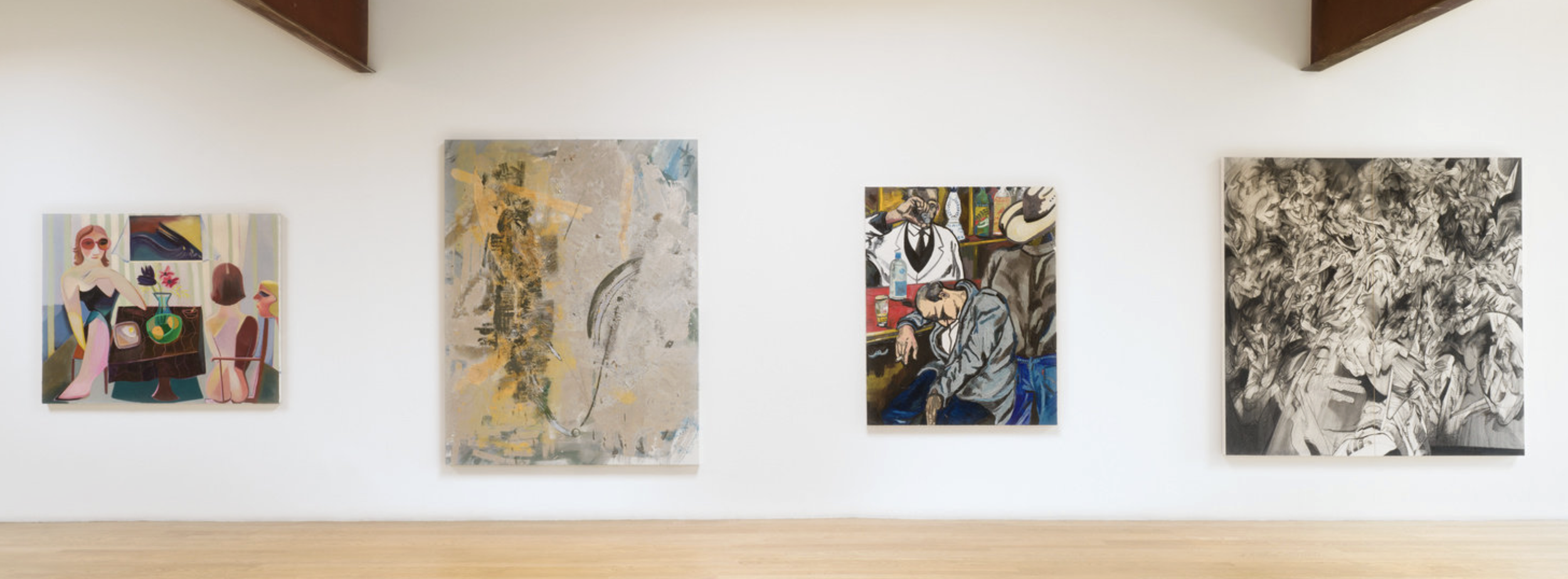
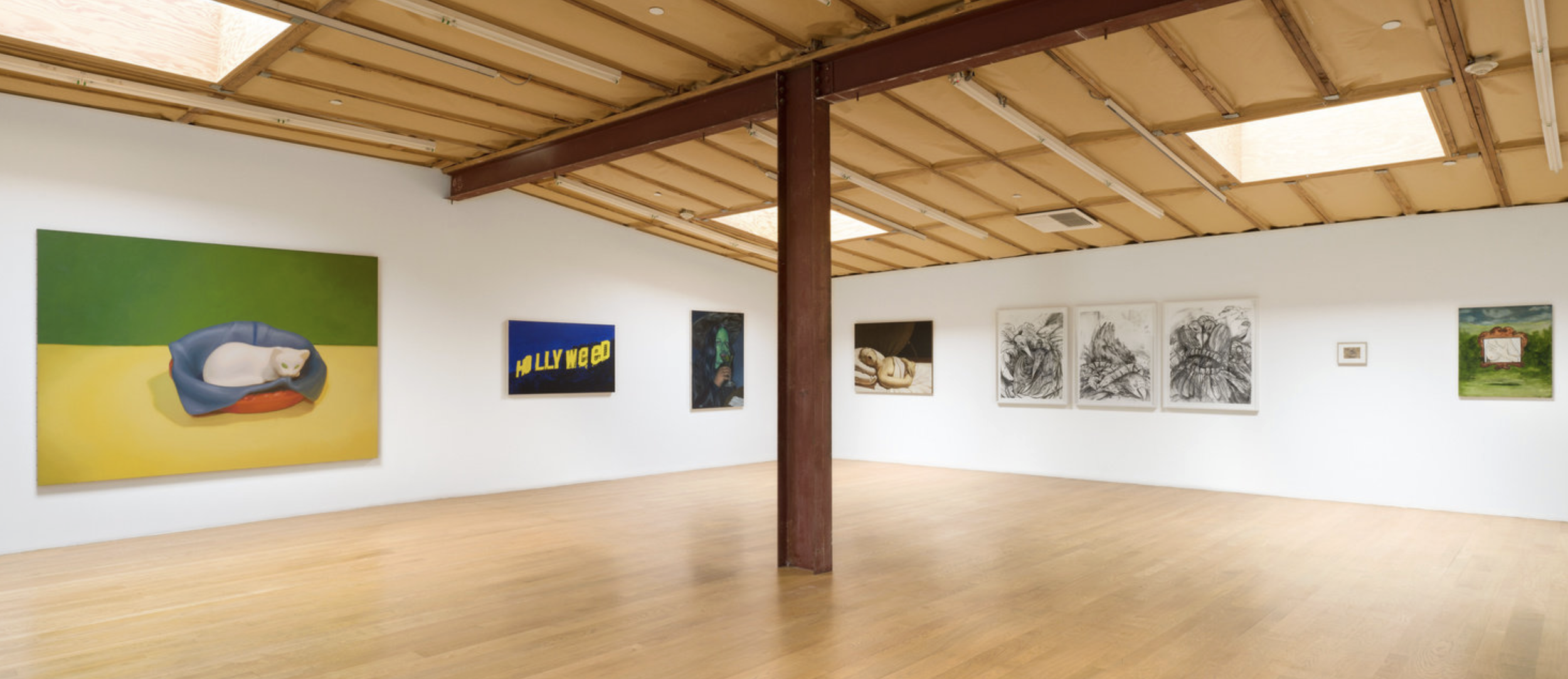
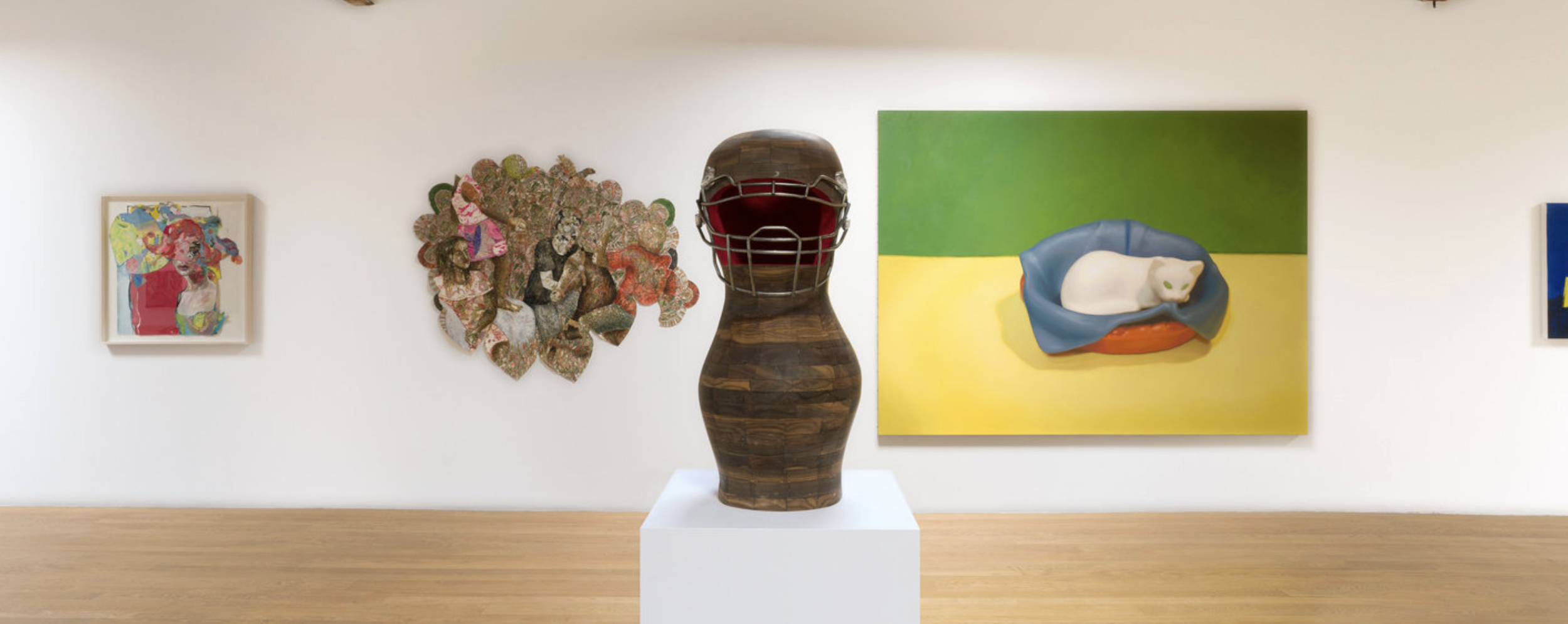
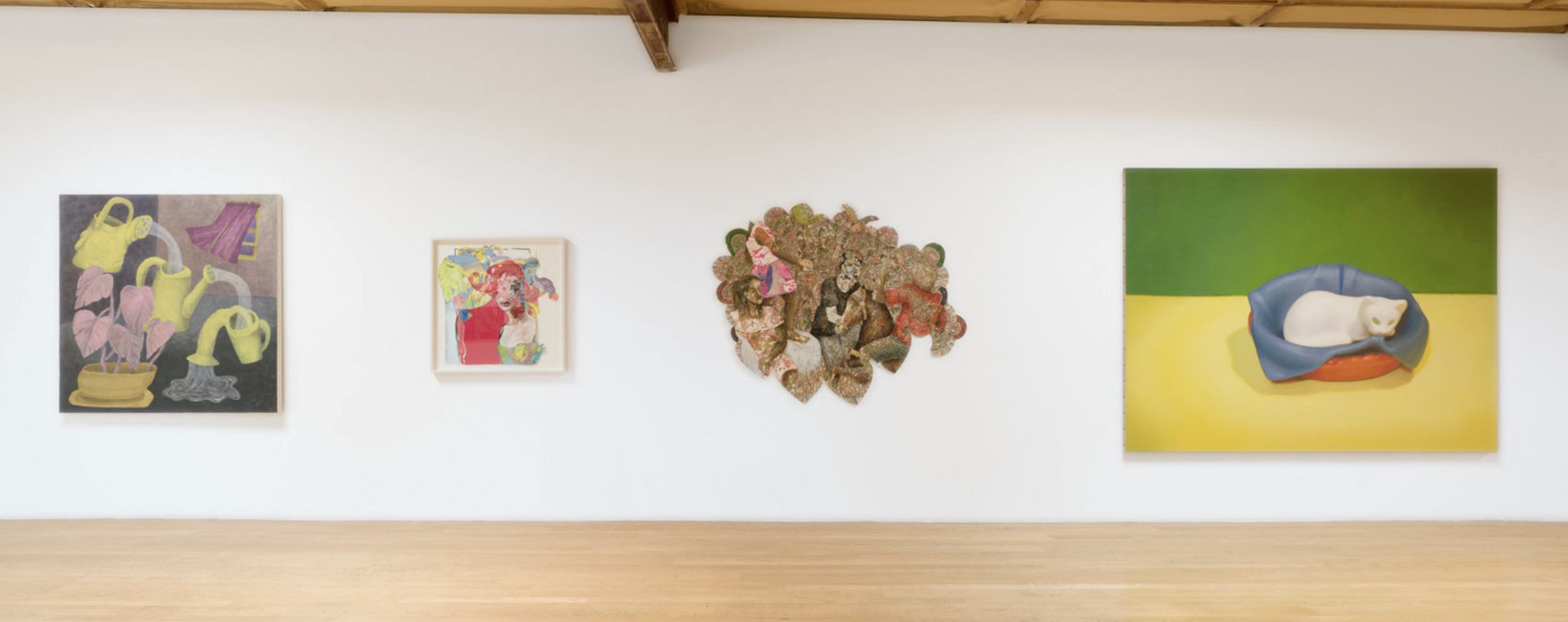
Sympathetic Magic, September 22 – October 24, 2020, Los Angeles
Blum & Poe is pleased to present a group exhibition entitled Sympathetic Magic with work by twenty-six artists, organized by Bill Powers. This presentation in Los Angeles follows a summer preview of the project shared on the Blum & Poe Broadcasts online platform
I first encountered the term "Sympathetic Magic" from the writer Glenn O’Brien, who shorthanded it to mean good voodoo. When a painting is imbued with supernatural qualities or predictive powers, such as Christians praying to an oil painting of Jesus or metal insertions made into a power figure from the Democratic Republic of Congo, we are investing in that object a measure of the otherworldly.
I remember on a tour of an AbEx show at MoMA, I once heard George Condo describe the brushstroke of a 1950s Jackson Pollock “like a caveman scratching at the wall of his own mind.” Often we get so fixated on subject matter—but what of mood and the sillage of a painting, how it sticks in one’s peripheral consciousness? The works on linen and canvas, aluminum paint, gravel, and sawdust by Rosy Keyser come to mind in such discussions—gestural, tactile paintings that summon the histories of the often-foraged materials that comprise them.
The reclamation over an image is another form of sympathetic magic we see played out on a grand stage. Consider the case of the Bates house from Alfred Hitchcock’s Psycho. The director was inspired by a painting by Edward Hopper although the movie version is probably now the better-known iteration. In 2016, the artist Cornelia Parker created her own PsychoBarn on the roof of The Met, which Daniel Heidkamp now depicts with the New York City skyline behind it. In each instance, the artist attempts to assert his/her ownership of this visual in our collective imagination.
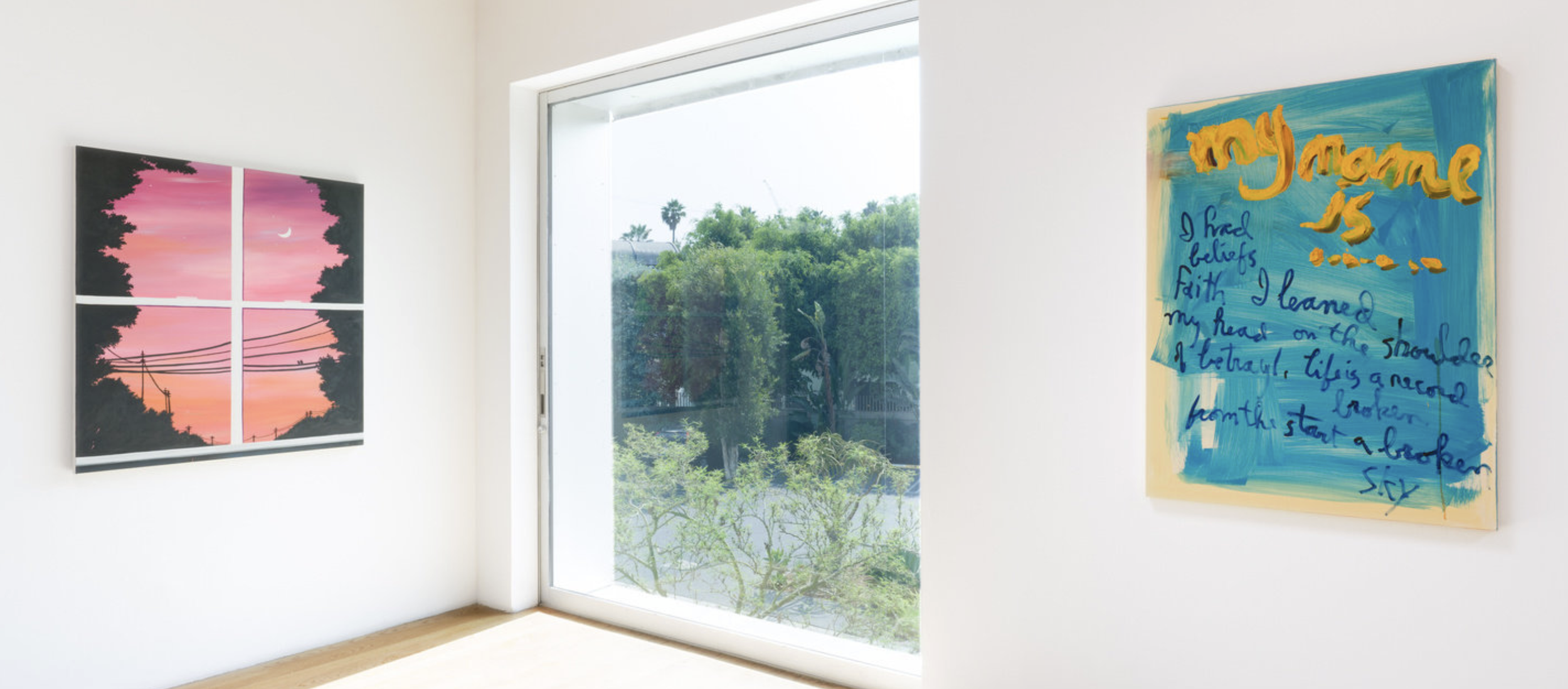
Some art historians suggest that even cave paintings might be a form of sympathetic magic as shamans created vignettes on the stone walls to help manifest a bountiful hunt. Other traditions and notions connected to this memento mori have survived obsolescence in the digital age. For example, this mindset is not so distant from those of scholars who refer to science fiction as speculative fiction, because we must dream of the possibility of innovation or progress before it can be realized. All we need to look to is poetry to understand that newness is not our primary determinant to value. I share with you the words from the late painter laureate Rene Ricard, specifically the text from his 1990 painting included in the exhibition, My Name Is... (Text by Bill Powers)
Featuring work by Ellen Altfest, Natalie Ball, Alex Becerra, Brian Calvin, Ginny Casey, Louis Eisner, Jantsankhorol Erdenebayar, Natalie Frank,Hugh Hayden, Daniel Heidkamp, Rosy Keyser, Eddie Martinez, Geoff McFetridge, Tanya Merrill, Danielle Orchard, Anna Park, Alina Perez, Umar Rashid, Rene Ricard, Peter Schuyff, Lucien Smith, Vaughn Spann, Kathia St. Hilaire, Anna Weyant, Chloe Wise, Hiejin Yoo